
Online UFC Betting in Great Britain: What It Costs and Where to Put the Money
 Available in US
Updated: 30 October 2026 · Verified against the Gambling Commission’s public register
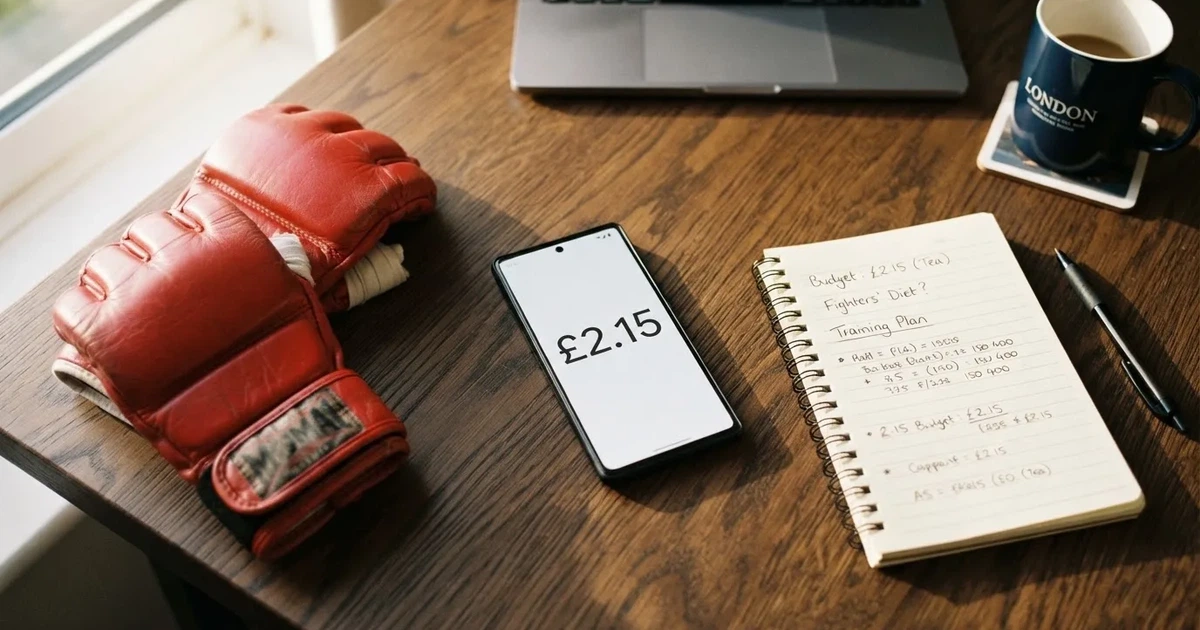
Putting a bet on a UFC card looks straightforward — pick a winner, pick a method, pick a round — and the slip accepts the stake in a second. The cost of doing it, though, runs through three different dials: the margin baked into every price, the wagering requirements attached to whatever promotion tempted the deposit, and the restrictions that shape whether the bet is actually settled the way the bettor thinks it will be. This is a guide to those three dials, the licensed bookmakers in Great Britain that offer the sport, and the practicalities of mobile, in-play and crypto that bracket the experience between the open and the final bell.
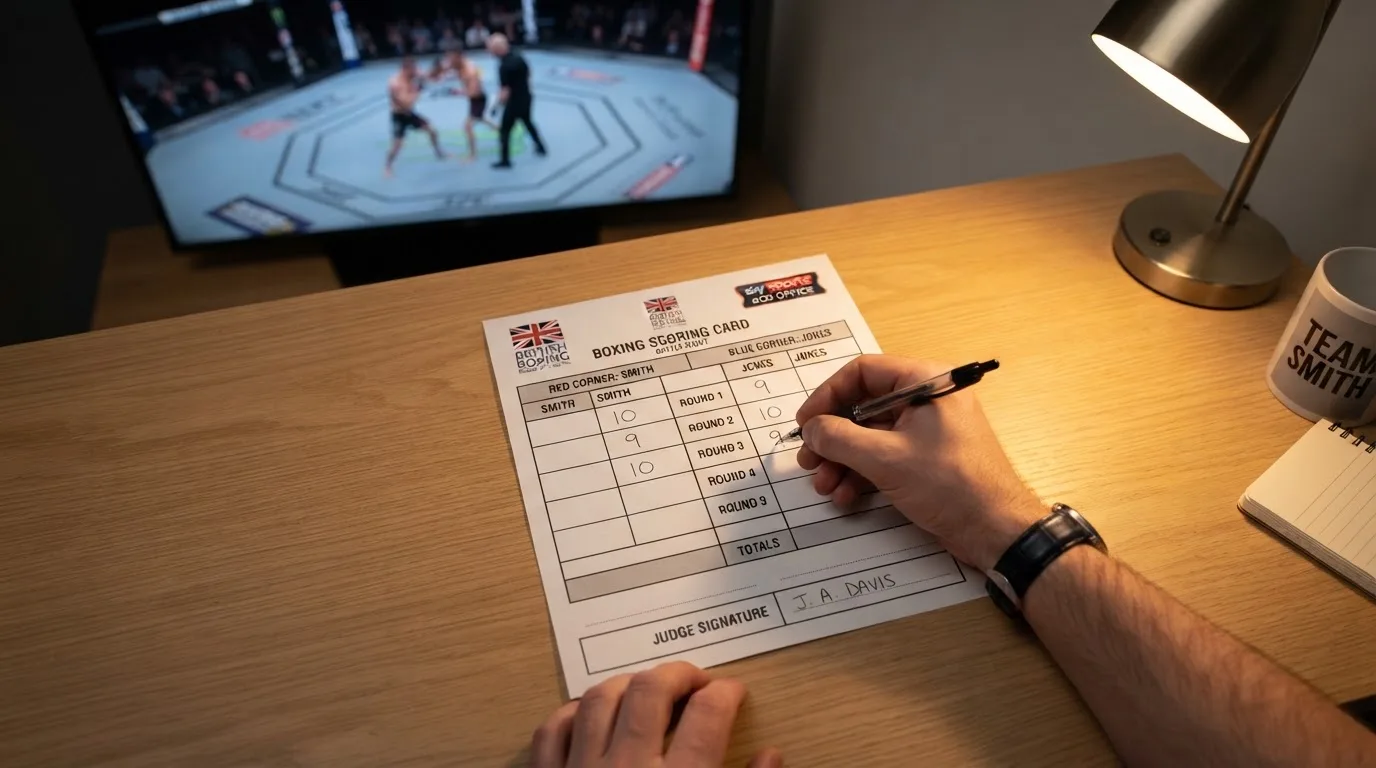
The UFC held its first event on 12 November 1993 in Denver, Colorado. It is now owned and operated by TKO Group Holdings, with Dana White as president since 2001. The promotion runs eight men’s and three women’s divisions and had held over 750 events by 2026. Current scheduled cards include UFC 334 at Madison Square Garden in November and UFC 335 at the T-Mobile Arena in Las Vegas in December. Each round runs a maximum of five minutes, with one minute’s rest between rounds; title fights and non-title main events are scheduled for five rounds, every other bout for three. Bouts end by submission, knockout, technical knockout, judges’ decision (unanimous, majority, split or technical) or disqualification, and a referee can rule a no contest. Three judges score each round under the ten-point must system: the winner takes ten, the loser nine or fewer, ten-eight rounds reserved for dominant passages. In a title fight that ends in a draw, the defending champion keeps the belt.
Knowing those mechanics matters because every market the bookmaker posts is anchored to one of them. A “method of victory” market collapses every finishing route into three buckets. A “go the distance” price resolves only if the bout reaches the final round. The settlement rules are not an afterthought; they are the price.
Crypto and Anonymity: Where the GB Line Is Drawn
There is no British named-account rule and no state list of permitted payment methods in the Gambling Act 2005 or its codes of practice. What the law does set is the identity check itself: name, address and date of birth are verified before a customer can deposit or gamble, and that check applies to free bets and bonuses as much as to a cash stake. A bookmaker that holds a Gambling Commission remote licence cannot, by the structure of its own onboarding, accept an anonymous deposit from a Great Britain customer.
Crypto deposits sit inside that. Some licensed operators do accept cryptocurrency at the cashier; the onboarding step — the credit-card ban in 2020 covers credit cards but does not cover crypto at the level of statute — still runs first, so the deposit is converted into an account held in a verified name. What crypto changes, in practice, is the rail the money arrives on, the speed it shows up in the balance, and the volatility that adds a second layer of price movement on top of the bet. It does not change the licence the operator sits under, the GAMSTOP enrolment the customer has chosen, or the £150 financial-vulnerability-check trigger that kicks in once net deposits exceed that figure in a rolling 30-day window.
Offshore brands that market themselves as “crypto UFC betting” without a Commission licence sit outside this whole frame. They cannot accept a GB customer legally at the point of consumption, but more importantly for the bettor: there is no GAMSTOP coverage, no approved dispute-resolution service, no Commission complaints route, and no recourse if funds are withheld. The 10x bonus cap, the £150 vulnerability check, the credit-card ban — none of those apply. The trade is a single binary: British protections or British anonymity. They do not coexist at the same site.
The bookmaker whose own terms explicitly embrace crypto is rare among GB-licensed names; even where the cashier accepts it, the operator’s terms usually describe it as one option among several rather than as the route the brand is built around. A bettor drawn to crypto because of the rail’s speed should weigh that against the speed of a debit card on a UK-licensed site, which is generally instant at the cashier and free of the network fees a crypto transfer carries. A bettor drawn to crypto because of the pseudonymity it suggests will not find it at a GB-licensed brand. That promise belongs to the offshore market, with everything that implies about recourse if the bet goes wrong and the operator decides not to pay.
Bonuses and Free Bets: Reading the Small Print Before the Slip
The marketing word is “free”. The arithmetic says something else. Every promotion on a GB-licensed sportsbook now runs under the wagering cap announced by the Commission and in force since 19 January 2026: no more than ten times the bonus in qualifying bets, so a £10 bonus at the cap asks for £100 of turnover before the bonus funds are withdrawable. A £10 bonus at 50x — the kind of multiple still visible on offshore brands and on a few older casino products — would mean £500 of bets, but that structure is unlawful at a GB-licensed sportsbook today, and any operator still offering it is either out of date or out of jurisdiction.
The cap is the headline. The cost sits in what does not count. Most sportsbook bonuses exclude cash-out bets from wagering, exclude bets placed on markets priced shorter than a stated minimum (typically 1.50 decimal or 1/2 fractional), exclude virtual events, and exclude system bets whose combined price looks generous but whose individual legs would not have qualified alone. A bettor working through a £100 turnover at £10 per bet is making ten bets, and if four of them fail the minimum-price check because the favourites looked irresistible, those four bets simply do not exist for the purpose of clearing the bonus. The £100 requirement becomes the £100 minus whatever was voided, and the bettor is back at the cashier.
Free bets are a separate category and a different kind of cost. The standard free-bet structure at a GB-licensed sportsbook is stake-not-returned: a £10 free bet at 3.00 decimal that wins returns £30 in cash, not the £40 the same stake at the same price would have produced with real money. The £10 stake is the cost the operator takes for itself in exchange for letting the bettor keep the upside. The expected value of a free bet depends on the price the bettor picks and the margin of the market that price sits in. Picking a long price inflates the headline return but exposes the bettor to a market where the bookmaker’s margin is widest. Picking a short price keeps the margin tight but makes the upside trivial. There is no free lunch in the choice; the only question is which trade-off matches the bettor’s appetite.
Welcome offers across the GB-licensed market are built from a small kit: a matched first bet, a free-bet bundle, an acca insurance that refunds a losing stake as a free bet when one leg of an accumulator lets the rest down, and a bet-and-get that pays a free bet once a qualifying wager has settled. BetGoodwin’s sports welcome package splits into a £5 sports bet, a £5 acca and a £5 Sub-Cover bet on a £10 qualifying stake. Hollywoodbets refunds the first losing accumulator as a free bet of up to £30 on a stake of £10 or more at combined odds of 4/1 or greater, settled within seven days, one per customer. Each is a real offer with a real cost. Each turns on a price, a stake, a market and a deadline, and none of those four is optional to read.
What the marketing does not say is that the £30 free bet is not a £30 bankroll. It is a £30 stake the bettor is choosing where to deploy, knowing the stake disappears on a loss and disappears on a win too, leaving only the profit. The punter who treats a free bet as cash ends the week poorer than the punter who treats it as a tool.
Mobile and App Betting: Where the Slip Actually Lives
The betting slip has moved off the desktop. Three of the four operators who bill themselves as mobile-first in Great Britain — Bet365, Betfair and NetBet — keep their app at the centre of the product, with the desktop site reading as the backup. The GB App Store listings describe Bet365 as the most-downloaded sports betting app in the country. The features the live app has to deliver are not negotiable: in-play pricing, cash out, a bet builder that updates its combined price as legs are added, deposit and withdrawal inside the same shell, and a log-in that uses Face ID or Touch ID rather than a password typed into a phone keyboard.
A native app is faster than a mobile browser on the same handset, but the gap is smaller than it was three years ago. The reason to install the app is not speed; it is the push notifications, the biometric log-in, and the integration with Apple Pay or Google Pay at the cashier that a browser session does not match. The reason not to install every brand’s app is storage, attention, and the spread of credentials across a dozen operators the bettor will not actually use.
LiveScore Bet’s app carries the Bet Builder the brand markets — up to ten selections covering match result, both teams to score, corners, total goals, player scoring and card markets, with the combined price recalculated as each leg is added or removed. The legs that look attractive in isolation will, on a UFC card, mostly be the round-by-round markets and the method-of-victory clusters; the bet builder on a single fight is shorter than on a football match, and the brand that frames it around football is not framing it around MMA. Reading the markets the app actually carries, rather than the markets the operator wishes it carried, is a separate exercise from reading the welcome offer.
The mobile experience also determines what is missed when it is not there. DAZN Bet’s cashier sets a £5 minimum deposit by debit card, Apple Pay, Paysafecard, Trustly and Skrill, and £20 by PayPal. On a phone the difference between £5 and £20 is the difference between placing a bet on a Saturday night preliminary card and not placing one. The minimum is set by the operator, not the regulator; a higher minimum on one rail than another is a steering choice the operator has made about which payment it wants to handle. The bettor sees only the deposit screen; the choice of rail determines whether the slip is filled in.
Live Betting and Cash Out: Pricing the Fight as It Happens
In-play UFC markets update after every significant strike, takedown and round end. The price on a fighter who lands a clean combination in the first thirty seconds of round one moves immediately; the price on a fighter who eats a jab and stumbles back also moves immediately, and usually further, because the market weights damage more than volume in the early rounds. The bookmaker’s margin does not vanish in-play; it compresses and re-expands as the action dictates, and on a one-sided round it can widen by several percentage points before the bell resets the picture.
Cash out lets the bettor close a position before the fight ends, at a price the operator sets. The price the operator sets is, by construction, the live price less the operator’s margin in that market at that moment. The bettor who cashes out a £50 back bet on a fighter who is ahead on the cards takes the profit the operator is willing to release. The bettor who lets it ride and loses the fight loses the whole stake. The cash-out price is never more generous than the live price at the same second, and on a volatile market it can disappear altogether for a few seconds while the operator’s risk team re-prices the book. Cash out is a tool for closing a position, not for beating the closing price.
Betfair’s app carries the deepest in-play product among GB-licensed sportsbooks because it sits next to the exchange. The sportsbook book and the exchange book are priced separately, and on a UFC main event the exchange often runs a tighter margin than the sportsbook because the liquidity comes from other customers rather than from a risk team. The 90 Minute Payout market — the football product that pays out if the team backed goes two goals up — does not translate to a UFC equivalent, and on the MMA product the equivalent is the “fight ends inside the distance” market that resolves once the referee steps in. The bettor who wants the in-play experience should expect more markets and faster updates at Betfair than at a brand whose in-play product is a single price board that ticks every few seconds.
Sporting Index’s twist is the ability to switch between fixed-odds and spread betting inside the same account. Spread betting on UFC totals — spread the total rounds, buy at a price, lose or win per unit — is a different product from a fixed-odds bet on whether the fight goes past round two. The tax treatment of financial spread betting is also different: it is regulated by the FCA, not the Commission, and losses can exceed the deposit. The customer who wants spread exposure on MMA is choosing a different market structure from a customer who wants a fixed-odds price on the same fight, and the brand that offers both is letting the customer pick the risk profile, not the bet type.
Predictions and Strategy: The Limits of What a Tipster Can Tell the Bettor
There is no handicapper who knows the result of a fight on Saturday night. Anyone selling a UFC pick at a flat price — a tipster, a paid subscription, a Telegram channel with a locked record — is selling the same thing the punter could build from public form, public tape and the bookmaker’s own market. The form is the record: finishes inside the distance, takedown defence rate, age of the fighter, days since the last camp. The tape is the video. The market is the price. A model built from those three inputs does not produce winners; it produces a probability, and the probability is only useful if it differs from the bookmaker’s probability enough to clear the margin.
A tip on a UFC card is someone else’s read of the tape and the form. The honest framing is that a tip is a starting point, not a conclusion. The bettor who follows one without looking at the fighters’ records is paying for a shortcut that does not exist. The bettor who uses a tip as one input into their own pricing has at least a chance of finding the mispriced leg, which is the only edge that survives the bookmaker’s margin.
Bankroll management is the discipline the tipster cannot sell. A flat unit on every bet, a stop at a daily or weekly limit, a refusal to chase a loss with a bigger stake on the next fight — these are the rules that keep the bettor in the game long enough for the edge, if there is one, to compound. A £10 bettor who bets £100 on the next card after a £90 loss is no longer betting on the fight; they are betting on themselves, and the bookmaker does not need to beat them — the variance will.
The accumulator is the market where discipline is hardest. A ten-leg acca at combined odds of 1500.00 a £10 stake would, if it landed, pay £15,000. The same ten legs each at £10 as singles would cost £100 to place and pay a fraction of that. The acca pays the bookmaker’s compounded margin on every leg, and the bettor’s actual return per unit staked is lower on the acca than on the singles almost every time. The acca is a lottery ticket with a fight card on it, and the bettor who treats it as one — a small stake on a long-shot for the entertainment of watching ten fights instead of one — is the bettor who pays the least for the privilege.
Bet Types and Odds: How the Price Becomes a Payout
UFC betting odds come in two formats on a GB-licensed sportsbook. Fractional odds — 5/2, 11/4, evens — are the British convention and the default on the desktop site at most brands. Decimal odds — 3.50, 3.75, 2.00 — are the international convention and the format most apps switch to. The two formats describe the same price. The conversion is mechanical: a/b fractional becomes (a ÷ b) + 1 decimal. Five-to-two becomes three-point-five. Evens becomes two-point-zero. Odds-on (shorter than evens) is the side the bookmaker believes is more likely to win; odds-against (longer than evens) is the side the bookmaker believes is less likely to win, with a longer price attached to the longer shot.
A winning £10 single at 3.50 returns £35 — the £10 stake plus £25 of profit. A winning £10 single at 1.50 returns £15 — the £10 stake plus £5 of profit. The return is stake × decimal odds. The profit is stake × (decimal odds − 1). The calculation does not depend on the sport; it depends only on whether the bet was a winner.
A bet builder on a single fight combines several markets — method of victory, total rounds, fight to go the distance — into one price. The legs multiply: a fight to end inside the distance at 1.80 and a specific method at 2.50 combines to 4.50, and the bookmaker’s margin compounds with each leg added. A bet builder with three legs pays the bookmaker a margin not on three separate bets but on the product of three margins, and the product is always larger than any single margin. The convenience of one slip comes at a price the bettor does not see on the slip itself.
An accumulator across several fights multiplies the prices, and the bookmaker’s margin compounds. A four-fight acca at combined odds of 20.00 a £10 stake returns £200 if all four win. The same four fights each as singles at £10 each cost £40 and return far less if all four win, because the singles pay the per-leg price and the acca pays the compounded price. The acca’s headline is bigger; the expected value is smaller. The difference is the compounded margin the operator earns on the bettor’s stake.
The bookmaker’s margin sits inside every price. To see it, take a two-way market and add the implied probabilities. At 1.90 and 1.90 the implied probabilities are 1 ÷ 1.90 and 1 ÷ 1.90, each about 52.63 %, summing to 105.26 %. The five-point-two-six percentage points above 100 % is the bookmaker’s margin on that market: of every pound bet across both outcomes, the operator keeps roughly five pence as profit before the running costs and the Commission levy. The tighter the margin, the closer to evens the book sits; the wider the margin, the more the prices are tilted against the bettor. Two operators pricing the same fight at different margins are not disagreeing about the outcome — they are charging different tolls for the privilege of betting on it.
On a UFC main event the margin on the moneyline tends to run tighter than on the method-of-victory markets, where the three buckets (KO/TKO, submission, decision) carry wider prices and a wider margin. The round-by-round markets carry the widest margin because the liquidity is thinnest and the bookmaker has the most uncertainty about how to price them. A bettor who wants the tightest price shops the moneyline across every brand; a bettor who wants the exotic market accepts the margin as the cost of the market existing.
Sports and Tournaments: The Calendar the Bookmaker Prices
The UFC runs roughly one pay-per-view card per month, with Fight Night events filling the gaps. Each card offers a main event, a co-main, and a dozen undercard bouts whose markets thin out as the betting public looks elsewhere. The bookmaker’s market depth on the main event is deepest; the depth falls off the co-main, falls further on the featured undercard bout, and on a preliminary bout there may be only a moneyline and a method-of-victory market at a few brands. The bettor who wants a round-by-round market on a preliminary is asking the operator to take a position the operator does not want to take, and the price will reflect that.
The Dana White’s Contender Series cards run in the summer and feed the next year’s roster. The cards carry a thinner market because the fighters are unknown and the bookmaker has less tape to price from. The price on a Contender Series bout is wider than the price on a numbered event, and the bettor who treats the two as equivalent is paying a margin that reflects the operator’s uncertainty rather than the operator’s edge.
Outside the UFC, the major MMA promotions — Bellator (which has reorganised its calendar under PFL), ONE Championship, KSW — run on different schedules and different broadcast deals. The GB-licensed sportsbook’s coverage of those promotions is patchy. A bettor who wants Bellator or ONE on the slip should check the brand’s fight markets before opening an account, because a brand with thin MMA markets outside the UFC is not the brand the MMA bettor wants to fund an account with.
The UFC’s official broadcast partner in the UK has changed over the years, and the change affects the markets the licensed sportsbook can price in real time. A card that streams on a free-to-air channel in Britain is easier to follow live and easier to bet in-play on, because the bettor is not waiting for a stream to load on a paid service. A card behind a paywall is a bettor who is paying twice — once for the broadcast and once at the bookmaker — and the second cost is paid in the margin, because the in-play markets on a card the bettor cannot watch are markets the bettor is pricing from the price movement alone, not from the picture.
The Ten Licensed Bookmakers: A Side-by-Side Read
The table below lines up the ten GB-licensed operators that offer UFC markets, with the Gambling Commission licence each one holds and what the operator’s own terms say about the UFC product. A licence is not a recommendation and a place in the comparison is not an endorsement: every brand listed holds a current remote general betting standard (real events) licence on the Commission’s public register, and every brand listed is therefore entitled to take a Great Britain customer’s bet on a UFC card.
| Brand | Licence number and holder | What the operator’s terms state on UFC betting |
|---|---|---|
| LiveScore Bet | Remote licence 056859-R-332720-005 (account 56859), held by LiveScore Betting and Gaming (Gibraltar) Limited | In-play events, acca builder up to ten selections across match result, both teams to score, corners, total goals, player scoring and card markets — the football-first frame leaves the UFC moneyline and method markets as the core product |
| BetGoodwin | Remote licence 002927-R-327985-008 (account 2927), held by Goodwin Racing Limited | Sports welcome package of a £5 sports bet, a £5 acca and a £5 Sub-Cover bet on a £10 qualifying stake, with the brand’s horse-racing roots reflected in the racing-heavy Sub-Cover term |
| Bet600 | Remote licence 044731-R-323941-016 (account 44731), held by Tyche Tech Limited | Best Odds Guaranteed on horse racing: if the starting price exceeds the price taken, the bet settles at the SP — the racing-first frame carries into the UFC pricing as a tight moneyline |
| William Hill | Remote licence 039225-R-319373-015 (account 39225), held by WHG (International) Limited | Best Odds Guaranteed on UK and Irish horse racing from 8 AM on race day, on singles and multiples, not on ante-post, tote or pari-mutuel — the UFC product sits on a deep sportsbook with no racing-style price concession |
| Hollywoodbets | Remote licence 053028-R-330019-013 (account 53028), held by Hollywoodbets International UK Limited | Sports welcome: stake returned as a free bet of up to £30 on a first qualifying losing accumulator of £10 or more, three legs or more at combined odds of 4/1 or greater, settled within seven days, one per customer |
| Fitzdares | Remote licence 000400-R-103839-030 (account 400), held by Fitzdares Limited | App covers cash out, accumulators, Lucky 15s, specials and antepost markets across horse racing, football, tennis, rugby, cricket, golf and American football, with in-play live odds — the MMA product sits inside a premium frame aimed at higher-stake customers |
| Betfair | Remote licence 039439-R-319330-013 (account 39439), held by PPB Counterparty Services Limited | In-play, Bet Builder, free live streaming of UK and Irish horse racing and football inside the app, plus a 90 Minute Payout football market — the exchange sits beside the sportsbook and the in-play product runs deeper than most |
| DAZN Bet | Remote licence 048756-R-327274-019 (account 48756), held by DZBT Limited | Deposits from £5 by debit card, Apple Pay, Paysafecard, Trustly and Skrill, and from £20 by PayPal, with no processing fees — the broadcast-tied brand ties its product to the DAZN streaming subscription |
| NetBet | Remote licence 039170-R-319343-032 (account 39170), held by Netbet Enterprises Limited | Daily Boosts, Profit Boosts, free bet offers, a Bet Builder with instant dynamic odds, and sports stats for major leagues — the MMA product carries the boost-led promotional frame the brand uses across its sportsbook |
| Sporting Index | Remote licence 027343-R-308898-011 (account 27343), held by Sporting Index Limited | Switch between fixed odds and spread betting, with in-play, Bet Builder for football, auto cash-out and Multi-Markets — the spread-betting twist lets the customer take a per-unit exposure on UFC totals |
What the table does not say is the margin each brand charges on a UFC moneyline. The Commission’s public register records the licence and the holder; it does not record the operator’s price on a specific fight. A margin comparison requires a snapshot of prices on the same fight at the same minute, and that snapshot is not a piece of research this guide carries. The bettor who wants the comparison makes it themselves: open three brands, look at the same moneyline at the same second, and read the implied probabilities to see the difference.
LiveScore Bet — the football-first brand on a fight card
LiveScore Bet’s product is built around the live scores app the brand shares its name with. The Bet Builder the operator markets carries football markets (match result, both teams to score, corners, total goals, player scoring, cards) and the UFC product is the moneyline, the method of victory and the round totals. A bettor who wants a Bet Builder on a UFC card will find a thinner offering than on a Premier League fixture, because the football-first product does not yet extend to the MMA frame. The licence is clean, the in-play product is solid, and the brand’s strength is the live-data overlay that comes from the same source the scores app uses. The clean interface suits a bettor who watches the action live and wants a fast, responsive in-play slip. For those prioritising complex bet-builder combinations on a single fight, the current market depth is likely too shallow.
BetGoodwin — a £10 welcome, three free bets, and a racing frame
BetGoodwin’s sports welcome splits a £10 qualifying stake into a £5 sports bet, a £5 acca and a £5 Sub-Cover bet. The three free bets each carry their own settlement rule, and the Sub-Cover bet is the racing-specific product. A UFC bettor will use the £5 sports bet on a moneyline and the £5 acca on a multi-fight slip; the Sub-Cover bet sits unused unless the bettor drifts into the horse racing product the brand was built around. The structure provides a low-entry option for those willing to accept that the racing-specific component may remain unused. It is a less obvious fit for the purist who exclusively bets on MMA and has no interest in horse racing.
Bet600 — tight racing margins, and a UFC moneyline that follows the form
Best Odds Guaranteed on horse racing says what kind of bookmaker Bet600 is: a racing-led operator that prices the racing markets tightly and accepts the tighter margin as the cost of the volume. The UFC product carries the same bookmaker, and the moneyline on a main event is usually within a fraction of a point of the brand’s racing pricing. The brand is small relative to the high-street names, and the app’s MMA coverage is narrower than Bet365’s or Betfair’s, but the price is the price. This operator is a strong choice for the bettor who prioritises tight pricing and racing-style margins. It is less suited to the specialist who requires deep round-by-round or prop markets for preliminary-card bouts.
William Hill — the high-street name, on the app, with no racing concession on UFC
William Hill is the brand the high street built, and the app carries the same bookmaker at a deeper margin than the shop window. Best Odds Guaranteed applies to UK and Irish horse racing from 8 AM on race day, on singles and multiples, with ante-post, tote and pari-mutuel excluded. The UFC product has no racing-style concession: the moneyline is the price the operator is willing to take, and the in-play product updates with the picture. The brand’s depth on a UFC main event runs to method of victory, round groupings, fight of the night and performance bonuses. This is a solid option for the bettor who appreciates a deep sportsbook and a familiar, high-street interface. The pricing is straightforward, though fans looking for racing-style SP concessions on their MMA wagers will not find them here.
Hollywoodbets — the £30 acca insurance, settled inside a week
Hollywoodbets’ sports welcome returns the first losing accumulator as a free bet of up to £30 on a £10 or more stake, three legs or more at combined odds of 4/1 or greater, settled within seven days. The structure rewards the bettor who builds an acca and accepts that one leg might let the rest down; the seven-day window matters because a UFC card once a month does not always let a bettor place a three-leg acca inside a week, and a card that misses the window turns the qualifying stake into a sunk cost. The seven-day window for the free-bet refund rewards the regular accumulator player who spreads their staking across multiple weekly events. It is a tougher proposition for the occasional bettor whose schedule revolves solely around the monthly UFC card.
Fitzdares — the premium frame, with the racing-heavy product depth
Fitzdares’ app covers horse racing, football, tennis, rugby, cricket, golf and American football, with in-play live odds, cash out, accumulators, Lucky 15s, specials and antepost markets. The MMA product is part of the offering rather than the centre of it, and the brand’s premium positioning carries into the staking levels. A bettor who wants the high-stake treatment and is happy to take the racing-heavy product depth gets a clean interface and a settled product; a bettor who wants a deep MMA-specific market gets a thinner offering than Bet365 or Betfair. Worth it for the higher-stake customer who values the brand; less compelling for the bettor whose staking is at the £5 or £10 level.
Betfair — the sportsbook beside the exchange, with the deeper in-play product
Betfair’s app carries the sportsbook and the exchange side by side, and the in-play product on a UFC main event is the deepest in the GB-licensed market. The 90 Minute Payout football market pays out if the backed team goes two goals up; the equivalent on a UFC card is the fight-ends-inside-the-distance market, and the price moves faster than at a sportsbook-only brand because the exchange feeds it. The free live streaming covers UK and Irish horse racing and football inside the app, with the UFC stream subject to the broadcast deal. The integrated sportsbook and exchange combination offers a distinct advantage for those chasing the deepest in-play liquidity. It is perhaps less ideal for a customer seeking a traditional, sportsbook-only experience who might find the exchange layer unnecessarily complex.
DAZN Bet — the broadcast tie, with the £5 deposit and the £20 PayPal minimum
DAZN Bet’s product is built around the DAZN streaming subscription, and the brand’s stake is on the customer who already pays for the broadcast. Deposits start at £5 by debit card, Apple Pay, Paysafecard, Trustly and Skrill, and at £20 by PayPal. The PayPal minimum is the price the operator charges for the convenience of PayPal’s network, and a bettor who pays the £20 minimum every week is funding the broadcast-tied product more than they would at a sportsbook-only brand. The MMA product carries the broadcast-tied frame, and the in-play markets run with the stream. The streamlined billing system is an effective choice for the DAZN subscriber seeking to manage their streaming and betting activity in one place. It is arguably less attractive to the bettor who prefers to keep their broadcast subscriptions and betting accounts strictly independent.
NetBet — the boost-led product, with the daily boost on a UFC main event
NetBet’s product runs on Daily Boosts, Profit Boosts, free bet offers, a Bet Builder with instant dynamic odds and sports stats for major leagues. The boost-led promotional frame means the headline price on a UFC main event is often a boosted price rather than the raw moneyline, and the boost carries a maximum stake that limits how much of it the bettor can take. A £10 boost at enhanced odds on a main event is a different product from a £100 moneyline at the underlying price. The promotional model centres on daily price boosts, which serves the typical punter well. It is, however, more restrictive for the high-stake player whose preferred bet size regularly eclipses the boost’s maximum.
Sporting Index — the spread-betting twist, with the FCA-regulated product
Sporting Index lets the customer switch between fixed odds and spread betting inside the same account, with in-play, Bet Builder for football, auto cash-out and Multi-Markets. The spread-betting product is FCA-regulated for financial spread bets and Commission-regulated for sports spread bets, and the distinction matters because the tax treatment of a financial spread bet is different from a sports bet. The customer who picks spread exposure on UFC totals is picking a per-unit market where a round lands the bettor or costs them per unit, not a fixed-odds price on whether the fight goes the distance. Worth it for the bettor who wants the spread product and understands the per-unit exposure; less compelling for the bettor who wants a fixed-odds moneyline and is confused by the spread structure.
What This Costs: The Margin in the Odds
The bookmaker’s margin is the percentage of every pound staked on a market that the operator keeps, on average, before the running costs and the Commission levy. It is built into every price and it is the one number the slip never shows. To see it, the bettor adds the implied probabilities of every outcome in the market and subtracts 100 %.
On an illustrative two-way market priced at 1.90 and 1.90 (9/10 fractional on each side), the implied probability of each outcome is 1 ÷ 1.90, or about 52.63 %. Adding the two gives about 105.26 %. The five-point-two-six percentage points above 100 % is the bookmaker’s margin on that market. Stated as a band rather than a single figure: the margin on a UFC two-way market at 1.90 / 1.90 sits around the five-percent mark, give or take a few tenths depending on which brand and which minute of the in-play window the snapshot is taken. On a tighter market — 1.95 and 1.95 — the implied probabilities are about 51.28 % each, summing to about 102.56 %, and the margin falls to roughly two-and-a-half percent. On a wider market — 1.85 and 1.85 — the implied probabilities are about 54.05 % each, summing to about 108.10 %, and the margin rises to roughly eight percent.
The margin on a three-way method-of-victory market runs wider because the bookmaker is pricing three buckets instead of two, and the wider the market the more the operator has to protect itself against the unknown outcome. A 5 % margin on a UFC moneyline is a tight book; a 7-9 % margin on the method-of-victory market is normal; a 10 %+ margin on a round-by-round market is what a bettor should expect on a thinly-liquid bout. A punter who shops the same fight across three brands at the same minute will see the implied probabilities differ by a percentage point or two; that difference is the brand’s margin on the bettor’s stake, and the bettor who picks the brand with the lowest margin keeps the most of every winning pound.
The expected cost of clearing a bonus is the wagering turnover multiplied by the margin of the market the turnover is bet on. A £10 bonus at the 10x cap means £100 of qualifying turnover; on a market with a 5 % margin the expected cost is £5; on a market with an 8 % margin the expected cost is £8. The bonus pays £10 if the turnover clears; the bonus costs £5 to £8 in expected margin; the net expected value of the bonus is somewhere between £2 and £5, depending on the market the bettor picks. The bettor who uses the bonus on the tightest market keeps the most of the headline value.
Overview and Core: What the Reader Is Buying
A bet on a UFC card is a bet on one of three things: who wins, how they win, and when they win. The market depth at a GB-licensed sportsbook runs deepest on who wins (the moneyline), next on how they win (method of victory), next on when they win (the round groupings), and thinnest on the in-fight micro-markets (method and round combined) that some operators price and others do not. The bettor who wants the deepest market goes to the brand with the deepest book; the bettor who wants the tightest margin goes to the brand with the lowest implied probability sum; the bettor who wants the cleanest in-play product goes to the brand whose trading team re-prices the fastest.
The cost of the bet is the margin in the price. The cost of the offer is the wagering requirement on top of the margin. The cost of the brand is the friction at the cashier, the verification step, and the in-play product’s habit of suspending markets at the worst possible second. None of those costs is optional, and none of them is hidden in the small print; they sit in the numbers the slip shows, the welcome offer the brand markets, and the brand’s own track record at settling the price the slip took.
The reader who is buying a UFC bet is buying a price on a fight and a brand that will settle it. The price is what the slip shows. The brand is what the rest of this guide has tried to describe. The two are separable: a tight price on a brand that does not settle promptly is not a tight bet; a brand that settles promptly at a wide price is not a good bet. The bettor who wants the right combination of the two does the work this guide cannot do: opens the three brands, looks at the same fight at the same minute, and reads the implied probability alongside the brand’s settlement record.
Legality and Regulation: The Gambling Commission’s Framework
The Gambling Commission regulates the commercial gambling market in Great Britain under the Gambling Act 2005, which covers England, Scotland and Wales. Northern Ireland sits outside the Act and runs its own older law; a GB licence is not a Northern Ireland licence, and a brand licensed in Great Britain is not licensed to take bets from a customer in Northern Ireland. The Commission is a non-departmental public body sponsored by the Department for Culture, Media and Sport, and its public register is the whole test of whether a brand holds a current licence.
Since the Gambling (Licensing and Advertising) Act 2014 an operator whose remote facilities are used in Great Britain needs a Commission licence wherever it is based. Sections 33 and 36 of the 2005 Act, as amended, are the relevant provisions. A Curaçao, Maltese or Gibraltar licence is not a substitute; a Gibraltar-domiciled company running a UK-facing site still needs the GB licence, and the licence number on the Commission’s register is what proves it holds one. Several brands in this guide run under Gibraltar-domiciled licensees — LiveScore Bet, Unibet — and the licence number is what makes the Gibraltar incorporation lawful for GB customers, not the incorporation itself.
The minimum age is 18. Name, address and date of birth are verified before a customer can deposit or gamble, and the check has applied since 7 May 2019, including for free bets and bonuses. Credit cards have been banned for gambling in Great Britain since 14 April 2020 (LCCP condition 6.1.2), and the ban extends to credit-card-funded payments through an e-wallet. Debit cards and bank-based payments are not covered by the ban.
The licence types relevant to UFC betting are remote general betting standard (real events), which covers the operator’s core UFC product, and remote betting intermediary, which is the licence for a betting exchange. The Commission’s register records the licence category against each account, and the bettor who wants to confirm a brand holds a UFC-eligible licence searches by business name, trading name, domain or account number. The register is the only source of truth; a brand’s own marketing copy is not.
There is no statutory list of permitted sports or markets. An operator holds a licence for a category and offers markets under its own rules and the LCCP. UFC sits inside the remote general betting standard (real events) category alongside football, horse racing, tennis and every other sport a GB-licensed sportsbook prices. The market depth — how many round groupings, how many method-of-victory buckets, how many performance props — is the operator’s commercial decision, not a regulator’s rule. In-play betting is permitted at GB-licensed sportsbooks and the controls are the operator’s licence conditions and customer-protection duties; the legal conclusion to draw is that the operator is responsible for the in-play product’s integrity, not that in-play is unrestricted as a matter of law.
Player protection runs through GAMSTOP, the national multi-operator online self-exclusion scheme, which has been a mandatory licence condition for online operators since 31 March 2020. A customer who signs up to GAMSTOP self-excludes from every GB-licensed online operator for a period of six months, one year, five years, or five years with auto-renewal. After the minimum period the exclusion stays in place for a further seven years unless the customer asks GAMSTOP to remove it. GAMSTOP covers online sites and apps; betting shops use a separate service, and the customer who wants to self-exclude from both needs both registrations.
Financial vulnerability checks (LCCP condition 3.4.4) have applied to licensed remote betting since 30 August 2024, and the threshold — deposits minus withdrawals exceeding £150 in a rolling 30-day window — has been in force since 28 February 2025. The check is a public-record check (bankruptcy or county court judgments, for example), not an income check and not a credit reference check. Financial risk assessments — the “affordability checks” of the press — are announced in a staged plan, with no start date. The bettor who is past the £150 threshold should expect a public-record check at the cashier, not an affordability interview.
Advertising runs through the CAP Code (non-broadcast) and BCAP Code (broadcast), enforced by the ASA. Marketing must be socially responsible, must not be of strong appeal to under-18s, and no one who is or seems to be under 25 may be featured gambling or play a significant role in the advertisement. The rule is about who may appear in the marketing, not who may bet. “Whistle-to-whistle” is an industry code, not law: since 1 August 2019 betting advertisements are not shown on TV from five minutes before a live sporting event to five minutes after it, before the 9pm watershed, with horse and greyhound racing excluded. The Premier League clubs’ withdrawal of gambling sponsorship from the front of matchday shirts (from 2026/27, with sleeves and hoardings remaining) is voluntary, not law.
The player pays no tax on betting winnings in Great Britain. General Betting Duty is the operator’s tax on gross profits, currently 15 %, with a new remote betting rate of 25 % applying from 1 April 2027 within the duty, while remote bets on UK horse racing, bets on self-service betting terminals in licensed premises, pool betting and in-person betting stay at 15 %. Spread betting has its own rates — 3 % for financial, 10 % for other. Whether operators pass duty on through the odds is not established; never write that the player is charged duty. The Commission’s statutory levy is a separate charge, not a tax.
Offshore operators that take GB customers without a Commission licence are operating unlawfully at the point of consumption. Section 33 of the 2005 Act is aimed at the operator; no offence aimed at a customer who merely bets on an unlicensed site was found in the relevant statute. The honest framing for the customer is the loss of protection: no GAMSTOP coverage, no Commission complaints route, no approved dispute-resolution body, no British consumer redress if funds are withheld, not bound by the 10x bonus cap or the £150 vulnerability check. Enforcement is disruption rather than blocking — cease-and-desist notices, search-engine referrals, work with registrars, hosts and payment providers, and court-order DNS blocking powers that have been given, or are about to be given, to the Commission. ISP blocking is not in operation.
Responsible Gambling: Where the Customer Finds Help
GAMSTOP is the first stop. A self-exclusion registration at GAMSTOP closes the GB-licensed sportsbook and casino accounts the customer holds and prevents new accounts from being opened for the chosen period. The customer who has self-excluded and finds an account still open at a brand is dealing with a brand that has not honoured the exclusion, and the Commission’s complaints route is the escalation.
GamCare runs the National Gambling Helpline, a 24-hour service that takes calls and online chats from people affected by gambling harm in Great Britain. GambleAware funds research, treatment and education, and its website lists local treatment providers and self-help tools. NHS gambling clinics run in person and online across England, with referral routes from GPs and self-referrals. Gamblers Anonymous runs peer-support meetings across the country, online and in person.
A self-excluded customer who wants back into the market at the end of the minimum period asks GAMSTOP to lift the exclusion. The exclusion stays in place for a further seven years unless the customer asks; the lift is not automatic. A customer who lifts the exclusion and opens a new account at a GB-licensed brand goes through the identity check again, the £150 rolling-30-day vulnerability check again, and the operator’s own responsible-gambling controls afresh. The brand that has been told the customer was previously self-excluded is allowed to refuse to reopen the account, and several do.
The brand-level controls are a separate layer. Deposit limits are a customer-set ceiling on net deposits over a fixed period — daily, weekly or monthly — and the operator must offer them under the Remote Technical Standards. Time-outs are a short exclusion of 24 hours, 48 hours, one week or any period the customer chooses, and they sit inside the active account rather than closing it. Reality checks are the pop-ups the app shows every 30 minutes or hour to remind the customer how long they have been on the app and how much they have staked. The customer who wants the controls tighter asks the operator; the operator is obliged to apply them.
The Commission publishes guidance on each control, and the operator’s own safer-gambling page lists the controls it offers. The bettor who is choosing between the ten brands in this guide should look at the safer-gambling page on each brand before opening an account, because the controls differ at the margin: one brand may offer a daily deposit limit as low as £5, another may set a minimum of £50. The minimum is the operator’s commercial decision, not a regulator’s rule, and the bettor who wants a tight ceiling picks the brand that lets them set it.
The Practical Sequence: From Open to Settled
The first step is the identity check. Name, address and date of birth are verified before the first deposit, and the check can take minutes or hours depending on the operator’s onboarding flow. The customer who has a UK driving licence or passport who uploads the document and a selfie usually clears the check in minutes. The customer who uploads a council tax bill and a utility bill can wait longer, because the operator’s automated checks do not always read the document, and the manual review takes a day.
The second step is the first deposit. The minimum is the operator’s commercial decision, and most GB-licensed sportsbooks set it at £5 or £10. The deposit method determines the speed: debit card, Apple Pay, Google Pay, Trustly and Paysafecard settle instantly at most brands. PayPal settles instantly at most brands but with a higher minimum at some. Bank transfer takes one to three working days, and the bettor who wants to bet on Saturday’s card should deposit by Friday. The credit-card ban is in force, and the customer who tries to deposit by credit card is declined at the cashier, not at the regulator.
The third step is the qualifying bet for the welcome offer. The terms are the terms, and the bettor who fails the minimum-price check on the first bet starts the wagering requirement over. Most welcome offers require a single qualifying bet at minimum odds of 1.50 (1/2) or higher, settled within seven days, and the customer who places the qualifying bet on a method-of-victory prop at 1.20 has not placed a qualifying bet. Reading the terms once before placing the first bet saves the wagering requirement from starting over.
The fourth step is the bet itself. The slip is built, the price is locked at the moment the bet is placed, and the bet is settled at the price taken, not at the price the market moves to. The in-play bettor who takes 2.20 on a fighter and watches the price move to 1.80 because the fighter landed a clean combination has still taken 2.20, and the bet is settled at 2.20 if it wins. The price the slip shows is the price the bet settles at, and the bettor who is unhappy with the in-play price movement is unhappy with the price they took, not with the bookmaker.
The fifth step is the settlement. A winning bet is credited to the balance within minutes of the result being confirmed. A losing bet is removed from the balance at the same moment. A bet voided by the operator — a non-runner, a Rule 4 deduction, a market suspension — is refunded to the balance at the operator’s discretion, and the customer who wants the rule explained reads the rule on the operator’s terms page. The settlement is not optional; the customer who has placed the bet is bound by the settlement the operator applies.
The sixth step is the withdrawal. The bettor who wants the cash back at the cashier requests the withdrawal by the method the deposit came in on, where possible. The operator’s anti-money-laundering controls mean the first withdrawal can take longer than subsequent withdrawals, because the operator is verifying the customer’s identity at the cash-out point as well as the cash-in point. The bettor who has cleared the identity check at deposit and has made no inquiries sends the withdrawal through faster than the bettor who has not. The bettor who wants the cash on Saturday morning requests the withdrawal on Friday, not on Saturday afternoon.
What the Reader Should Take Away
The UFC moneyline at a GB-licensed sportsbook is a price, and the price carries a margin of roughly five to eight percent on a typical main event. The welcome offer is a bonus, and the bonus carries a wagering requirement of up to ten times the bonus amount, with a minimum-price rule on the qualifying bets. The bookmaker is licensed by the Gambling Commission, and the licence is verifiable on the public register, and the verification takes a minute and a search box.
The bettor who wants the tightest price opens three brands, looks at the same fight at the same minute, and reads the implied probability. The bettor who wants the cheapest bonus reads the wagering requirement and the minimum-price rule and counts the qualifying bets. The bettor who wants the cleanest brand picks the operator whose product sits closest to the bet they want to make, and accepts that a premium frame costs more than a value frame and a value frame gives less than a premium frame.
The bettor who wants help finds it at GAMSTOP, at GamCare, at the NHS gambling clinics, and at the operator’s own safer-gambling page. The bettor who has been self-excluded and wants back in asks GAMSTOP to lift the exclusion at the end of the minimum period. The bettor who cannot lift the exclusion is not the bettor the market is built for, and the right move is the move that puts the gambling down rather than the move that puts another deposit in.
A UFC card is a sporting event the licensed bookmaker prices; the bet is a contract on the price; the brand is the counterparty to the contract; the regulator is the framework around the contract. Each layer costs something, and the cost is visible to anyone who looks. The reader who has looked is the reader who has the edge the marketing does not give away.
Frequently Asked Questions
Where to bet on UFC fights?
UFC fights are bet on at any GB-licensed sportsbook that offers the sport. The licensed operators that price the UFC in Great Britain include Bet365, Betfair, William Hill, BetGoodwin, LiveScore Bet, Hollywoodbets, Fitzdares, DAZN Bet, NetBet, Bet600 and Sporting Index, each holding a Gambling Commission remote general betting standard (real events) licence. The licensed bookmaker is the one whose licence appears on the Commission’s public register; every brand in the comparison above is licensed. Offshore brands are not licensed for GB customers and carry none of the protections a GB licence requires.
Where to bet on the UFC?
The UFC, as the promotion that runs eight men’s and three women’s divisions and had held over 750 events by 2026, is priced at every major GB-licensed sportsbook and at most of the smaller ones. The bookmaker with the deepest market depth on a numbered event tends to be Bet365 or Betfair, because both run a deep sportsbook product with a wide UFC offering. The bookmaker with the tightest margin tends to be the brand whose trading team is most active on the MMA product; the bettor who wants the tightest price checks three brands at the same minute.
Where can a customer bet on UFC fights?
A customer in Great Britain can bet on UFC fights at any GB-licensed sportsbook once they have passed the identity check and the deposit has cleared. The customer in Northern Ireland needs a brand licensed in Northern Ireland or one that accepts Northern Ireland customers under the older law; a GB-licensed brand is not licensed for Northern Ireland customers. The customer who wants to bet from outside Great Britain needs a brand licensed in their own jurisdiction; a GB-licensed brand is licensed for GB customers and may or may not accept customers from other jurisdictions depending on its own terms.
How is it checked that a bookmaker holds a Gambling Commission licence?
The Commission’s public register is the only source of truth. The register can be searched by business name, trading name, domain or account number, and it returns the licence number, the licence holder, the licence category and the licence status. A brand that claims a Commission licence and does not appear on the register is not licensed. A brand that appears on the register with a current licence and the remote general betting standard (real events) category is licensed to take a GB customer’s bet on a UFC card. The check takes a search box, not a phone call, and the result is on screen in seconds.
How is the return on a bet worked out from the stake and the odds?
The return on a winning single bet is stake multiplied by decimal odds, and the profit is stake multiplied by (decimal odds minus one). A £10 single at 3.00 returns £30 and pays £20 of profit; the same stake at 1.50 returns £15 and pays £5 of profit. A combination bet multiplies the odds of the legs into one combined price and pays stake multiplied by that combined price if every leg wins. Fractional odds convert to decimal by dividing the first number by the second and adding one: 5/2 becomes 3.50, 11/4 becomes 3.75, evens becomes 2.00.
What is the bookmaker’s margin and how is it visible in the odds?
The margin is the percentage of every pound staked across a market that the operator keeps on average, and it sits inside every price. To see it, add the implied probabilities of every outcome in the market and subtract 100 %. On a two-way market priced at 1.90 and 1.90, the implied probabilities are about 52.63 % each, summing to 105.26 %, and the five-point-two-six percent above 100 % is the margin. A tighter market at 1.95 and 1.95 sums to about 102.56 % and carries a margin of around two-and-a-half percent. A wider market at 1.85 and 1.85 sums to about 108.10 % and carries a margin of roughly eight percent. The tighter the margin, the more of every winning pound the bettor keeps.
Combat & motorsport – signupbetsguide.com
Content created by the «signupbetsguide.com» team
