
New Betting Account Offers in Great Britain — What They Actually Cost
 Available in US
Registering with a new bookmaker rarely costs the operator much. The £40 in free bets, the “Bet £10 Get £10” hook, the boosted price on a Premier League match — every one of those headlines is real money, but it is money that arrives with strings attached, and the strings are where the cost hides. A punter who reads only the headline has paid an entry fee they did not know they were paying, in time and in lost value, before the first settled bet lands.
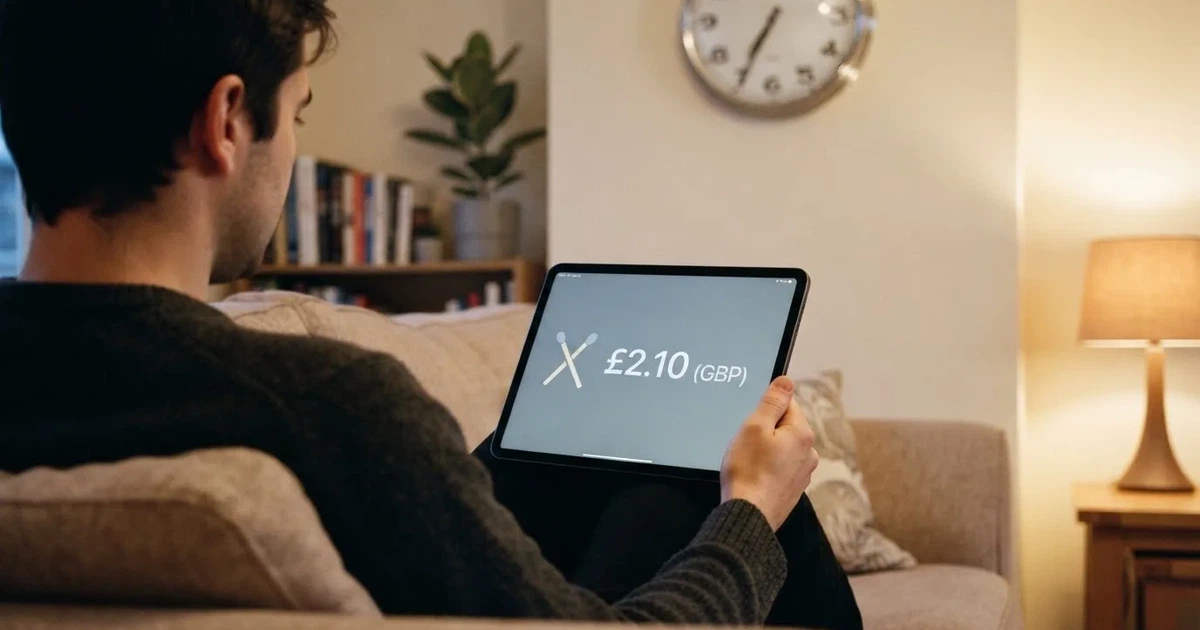
This page is built around that gap. It walks through how sign-up offers are constructed in Great Britain, what the Gambling Commission’s promotion rules in force since 19 January 2026 do and do not control, and how the ten brands reviewed here differ on the points that actually change what a welcome package pays back. The angle is cost — not the marketing price, the arithmetic that sits behind it.
Data current as of 30 October 2026; Gambling Commission public register checked on the same date.
How a sign-up offer is built — and where the money goes
A welcome offer is three numbers that look simple and read wrongly in combination: a stake you must put down to qualify, a free-bet amount you receive, and a price threshold the qualifying bet must clear. The free-bet tokens that follow carry their own rules — minimum odds, expiry, whether the stake is returned — and one offer frequently hides a second inside it, in the form of an accumulator boost or a price enhancement on a named event.

Worked through a typical construction: a £20 qualifying bet at minimum odds of 2.0 unlocks £40 in free bets, expiring after seven days. The £20 leaves the account the moment the bet settles, win or lose. The £40 arrives as tokens; placing those tokens at, say, odds of 3.0 returns £120 in winnings only — the £40 stake is not paid back. The arithmetic at that single price gives an effective value of £80 from the £40 token, before the bookmaker’s margin is taken from the price. That ratio, roughly two-thirds of the headline, is what every “free” amount on this market is actually worth on day one. It gets worse when minimum odds push the punter onto a price the margin sits inside, and it gets worse again when an expiry window forces action on prices that are not chosen for value.
Promotion rules since 19 January 2026 changed the upper end of that arithmetic. Wagering requirements on bonuses at any Gambling Commission-licensed brand are now capped at 10x: a £10 bonus can never demand more than £100 of qualifying bets before withdrawal, regardless of what the older terms once said. The Commission’s standard on mixed-product offers is absolute — an offer that asks a customer to gamble on two or more product types, betting plus casino, betting plus bingo, is banned outright. What the rules do not cover, and where research has nothing to say, is the free-bet token whose terms carry no wagering condition at all: whether the 10x ceiling binds a stake-not-returned token was not established, so on those offers the cap and its absence are both possible readings and the brand’s own terms settle it.
A reader who treats a sign-up headline as the whole story will lose roughly one third of its value to the stake-not-returned structure, and a further slice to the margin built into the prices the terms push them towards. The remainder — roughly half the headline number on a well-priced token — is what the offer is worth on average before the customer has bet anything else. The next sections look at how the ten reviewed brands construct that package, where the rules let them push the cost up rather than down, and what a £100 turnover requirement at the new cap actually looks like in practice.
What the Commission’s 19 January 2026 rules changed
The 19 January 2026 promotion rules did not arrive in a quiet week. They sit inside a longer reform programme — the financial vulnerability check on deposit activity above £150 in a rolling 30 days has been in force since 28 February 2025; deposit limits under Remote Technical Standard 12 staged in from 31 October 2025 with a second phase postponed to 30 September 2026; the operator-side General Betting Duty rate climbs from 15% to a 25% remote rate from 1 April 2027. The promotion rules themselves are narrower but more obvious on the page: a hard cap on the wagering multiplier a bonus can demand, and a categorical ban on the cross-product hook.

The 10x cap closes a well-known abuse. Before 19 January, the upper end of the market carried bonuses requiring 50x, even 80x turnover — a £10 bonus locked behind £800 of qualifying bets at minimum prices. The arithmetic of those offers, worked through, gave a punter an expected cost of clearing that exceeded the bonus value the terms advertised. The Commission’s response is to cap the multiplier rather than cap the bonus value: the choice was deliberate, the ceiling binds the worst offers without freezing the welcome structure that the market had built up around. Whether the cap reaches the stake-not-returned free bet whose terms carry no wagering condition was not established. Treating it as a free read on every token would be unwise — the operator’s own terms state where the cap applies and where it does not, and that statement is the one with legal weight.
The mixed-product ban is closer to absolute. Any offer that asks for gambling on betting plus casino, betting plus bingo, betting plus lottery, is out. A welcome package that used to read “bet £10 on football to get 50 free spins” is no longer legal at a GB-licensed brand. The ban is on the offer’s structure, not on a customer’s freedom to play whichever product they choose once the offer is settled.
Two further points sit behind those headlines. First, the verification regime has been here since 7 May 2019 — name, address and date of birth are confirmed before the first deposit at any Commission-licensed brand, including for a free bet or bonus. There is no anonymous play at a GB-licensed site, and no welcome offer at one is available without that step first. Second, the advertising framework sits outside the Commission’s promotion rules: it runs through the CAP Code (non-broadcast) and BCAP Code (broadcast), enforced by the ASA, with section 16 of the CAP Code the relevant section. Neither a bonus cap nor a product ban solves the part of marketing that lives outside the offer’s terms; that is a separate system, and the bettor who already knows the offer structure rarely needs to read it.
Free bets, stake-not-returned, and what they are really worth
A free-bet token is named for what it feels like to receive and judged for what happens when it loses. The terms almost always say the stake is not returned with a win. That single clause is the difference between a £40 free bet at odds of 3.0 returning £120 plus £40 (a £160 windfall) and the same token returning £120 alone. Across the offers reviewed here, the stake-not-returned structure is the rule rather than the exception, and it is what makes the headline number misleading in the most useful way to remember.
The fair value of a stake-not-returned free bet is not its headline. Working it through: a £40 token at odds of 3.0 returns £120 on a win, of which the £40 stake is forfeit, so the punter’s net gain is £80. Multiplied by the probability of winning — itself set by the bookmaker’s margin on the offered market — and averaged across many bets, the expected value of that single token is £80 × payout share. On a market with a 5% margin, that is roughly £76. The headline £40 lost about £4 to the stake-not-returned clause and a further £20 to the typical margin in the offered prices. Picking a higher-price selection widens the headline gain but worsens the probability; picking a shorter price does the reverse. There is no free lunch in the structure.
Tokens also expire. The reviewed offers give seven days as the most common window, with the same period applied to most operator-side promotions across this market. Seven days is short enough that a punter who does not have a target market lined up will use the token on whatever is showing on the home page when the day comes, and that is rarely the best price on any given event. The expiry is not a side detail; it is part of the cost, because it removes the option of waiting for value.
A second kind of cost is the minimum odds requirement. Most free-bet tokens require placement at fractional odds of 1/2 (decimal 1.50) or greater, occasionally 4/5 (1.80) or even evens (2.0). The threshold is a fence: short enough to clear on most markets, long enough to push the punter off the safest prices a bookmaker offers. Markets with the smallest margins — full-time result on top-flight football, for example — frequently have stable prices near 1.20 to 1.30, below the threshold. The punter takes the next available market up, which on most events is a goal-line, a handicap or a player market where margins run higher. The minimum odds requirement is where the house edge quietly grows.
The offers reviewed below show the structure across that range. Coral and Unibet pair the headline £40 figure with a 7-day expiry and the stake-not-returned clause. Sky Bet’s £30 credits as three £10 tokens. Midnite pairs a £25 free-bet package with a 14-day qualifying window. Spreadex gives £60 in free bets for a £10 fixed-odds qualifying bet but uses its mixed fixed-odds and spread-betting platform. Each carries the same clauses differently. The next section is the single calculation the page makes on top of those clauses.
Worked example: clearing a £20 welcome bonus at the 10x cap
The arithmetic the page offers is on the bonus that the new cap was written for. Take the older, common construction that the cap now closes off — and that some non-GB structures still ship — and a welcome package at the cap itself, side by side.
A £20 bonus with a 6x wagering requirement at minimum fractional odds of 1/2 (decimal 1.50) requires £120 of qualifying bets. At a flat £10 stake per bet, that is twelve bets settled within the offer window. A £20 bonus with the older 50x requirement, before the 19 January 2026 cap, would have required £1,000 of qualifying bets — one hundred settled bets at the same £10 stake. The Commission did not announce a typical bonus value alongside the cap; £20 sits inside the range covered on this page, not at its edge.
The expected cost of clearing is the turnover multiplied by the margin on the qualifying market. On a top-flight football 1X2 market with a margin of about 5%, twelve £10 bets cost roughly £6 in expected house edge — meaning the punter’s expected position is the £20 bonus plus a £14 cost (£6) — about £14 net. A punter who already had a planned betting programme on this market would clear the bonus for less, because some of the qualifying bets would have been placed anyway.
The conclusion is a band, not a single figure. The promotion rules cap the worst-case multiplier, not the worst-case total cost: a bonus structure with a low wagering requirement and a high minimum price is closer to break-even than its headline suggests, and a low-minimum-price bonus with a tight expiry window is worse than its low multiplier suggests. The 10x ceiling reduces the worst offers sharply. It does not turn a welcome package into a free read.
How account opening and verification work in practice
The mechanics of opening a betting account are simpler than the marketing makes them sound, with one hard step that no online bookmaker in Great Britain can skip. The steps in order:
- Pick a brand, complete the registration form with name, address, date of birth and contact details, and set a password. The form is the same on every Commission-licensed brand and runs to the same data fields.
- Verify identity before the first deposit. The Commission requires confirmation of name, address and date of birth at this point — since 7 May 2019 — and most brands complete the check automatically through a credit-reference database or a document upload. The check is the same whether the punter is depositing £5 or £500.
- Set a deposit limit if the punter chooses to. The Commission requires operators to offer a limit, not to set one. Defaults vary by brand. Phases under Remote Technical Standard 12 have brought further changes, with a second phase postponed to 30 September 2026.
- Make the first deposit by debit card, bank transfer or e-wallet. Credit cards have been banned for gambling in Great Britain since 14 April 2020; the ban covers payments funded from a credit card even where the e-wallet is the conduit.
- Place the qualifying bet that triggers the welcome offer, if one is being claimed. The terms are operator-specific and are reviewed below.
- Settle into normal use. The financial vulnerability check fires at £150 of deposits minus withdrawals in a rolling 30 days; it is a public-record check, not an income or credit check.
Verification, step two, is the one a punter cannot avoid at a licensed brand. The check has been in place since May 2019 and the Commission’s argument is that the bettor’s identity must be known before a deposit is accepted. That is the trade-off the licence imposes: no anonymous play on a regulated site, in exchange for the safer-gambling and dispute-resolution routes the licence also provides. The financial risk assessments that have been in the press sit separately, announced in a staged plan from the Commission on 7 July 2026 with no start date.
Operator reviews
Betfair — exchange plus sportsbook, two products on one account
Betfair is the unusual case in this set: an operator whose licence is a remote betting intermediary licence rather than a remote general betting standard licence, the category used for betting exchanges. The Commission’s register lists Betfair’s licence holder as PPB Counterparty Services Limited under account 39439. The same group operates Paddy Power, and the two brands share back-office infrastructure in places even where the front ends look different.
On the sportsbook side, the brand offers in-play betting, a Bet Builder, free live streaming of UK and Irish horse racing and selected football within the app, and a 90 Minute Payout market. The exchange side carries its own commissions and its own settlement rules; it is not a sportsbook product and is not part of the welcome package on the sportsbook. The split is worth keeping in mind when comparing features — a feature available only on the exchange is not available to a customer using only sportsbook credit.
The licence category itself separates the brand from the other nine reviewed here. An exchange is a marketplace for punters betting against each other, with the operator taking a commission rather than setting prices and retaining margin. That is a different model from the fixed-odds bookmaker and is reflected in the licence type.
Betmaster — a smaller licensed site, narrow feature set
Betmaster is operated by BM Solutions GB Ltd, registered in Malta, and holds Gambling Commission account 65699. The Commission’s register lists the licence category as remote general betting standard (real events), the standard remote betting licence.
The brand is a smaller licensed site and the public-facing feature set on its home page is more limited than the larger names in this set. Welcome terms state the offer is governed by the operator’s own customer terms and conditions; specific bonus details were not surfaced in the public materials researched. A punter who wants a feature-light fixed-odds product with a Commission licence will find the brand here; a punter looking for the same depth of in-play markets, price boosts or live streaming as the bigger names will need to look elsewhere.
Bar One Racing — Irish racing heritage, GB remote licence
Bar One Racing has rebranded as BAR 1 Betting, an Irish independent bookmaker with shops across Ireland and horse racing sponsorships at Dundalk, Fairyhouse, Navan, The Curragh, Curraheen Park and Cork. The GB site operates under a remote general betting standard (real events) licence held by Bar-One Racing Limited under Commission account 56516.
The brand’s pitch is horse racing and greyhound racing, with a UK-facing site that takes bets online under the GB licence. For a punter whose account lives around racing rather than football or tennis, the racing sponsorships indicate where the brand has invested in form, content and pricing. The welcome offer is likely to be token-led; the brand is better known for racing markets than for headline welcome packages.
Dabble — social-betting pitch, simple welcome
Dabble’s welcome offer is the simplest construction in this set: a first deposit of £10 returns £10 in free bets, with minimum odds applying, a 7-day expiry on the tokens and the stake not returned with a win. The site’s pitch is social betting — chat-integrated markets where customers can follow tipsters and copy each other’s bets through the app.
The licence is held by Dabble Sports UK Ltd under Commission account 65677, category remote general betting standard (real events). The construction is clean: small stake, small return, short expiry, stake-not-returned, no wagering condition. A punter who wants a headline offer they can read in one breath and clear in a sitting will find it here.
Spreadex — fixed odds plus spread betting on one licence
Spreadex is regulated by the Financial Conduct Authority for spread betting and by the Gambling Commission for fixed-odds betting. The combination is unusual; on the same account a punter can run fixed-odds sports bets and spread bets on financial and sporting markets. The fixed-odds licence sits under account 8835, held by Spreadex Limited.
The welcome offer is generous in headline terms: £60 in free bets for a £10 fixed-odds qualifying bet, with the qualifying bet needing to be placed within 28 days of opening. The free bets are usable across fixed odds and spread betting. The qualifying bet carries minimum fractional odds of 1/2.
The product split also creates a different kind of risk. Spread betting losses can exceed the deposit, on markets where the bettor is exposed to a position whose losses move with the underlying index. A punter who opens an account for the £60 in free bets and then drifts into spread markets without understanding the structure has paid for the welcome package with the principal they meant to leave alone.
Midnite — esports-tinged bookmaker, mainstream sports offer
Midnite’s site lists Gambling Commission account 101839, with the licence category on the register as remote general betting standard (real events). The brand’s background is esports and the front end carries esports markets prominently alongside mainstream sport.
The sports welcome offer: new customers who bet £5 or more on pre-match odds of EVS (2.0) or greater within 14 days of sign-up receive £25 in free bets and 50 free spins, valid for 7 days. The longer qualifying window (14 days against the more typical 7) is a meaningful difference for a punter whose first week is busy. The 50 free spins are a casino-side token; since 19 January 2026 they cannot be linked to a betting qualification, and the offer here is constructed so that qualification rests on the sports bet alone. The mid-window remains a £25 sportsbook token, with the spins sitting separately.
On features, the site shows in-play events, an acca builder, popular accas and price boosts with maximum-stake limits. The boosts are constrained; reading the terms before staking a boost is worth the time.
Kwiff — supercharged odds and a smaller market range
Kwiff’s distinctive product is the Supercharge feature: odds on a placed bet can be boosted instantly, for example from 2/1 to 20/1, applicable to single or multi bets on any sport. The boost is not a permanent feature on every bet — it applies when Kwiff chooses to apply it — and the maximum stake limits on the boosted price are part of the terms.
The licence is held by Eaton Gate Gaming Limited under Commission account 44448, category remote general betting standard (real events). On features, the brand offers Bet Builder and Bet Builder+, the latter combining Bet Builder bets across different games into one multi, and a guaranteed weekend acca boost.
The punt here is high-variance. A price that flips from 2/1 to 20/1 is a meaningful enhancement when it lands, but the maximum stake on the boosted price is the figure to read. A £10 stake on a boosted 20/1 returns £200 plus stake; a £2 cap on the boosted price returns £40, and the headline survives the loss.
Geoff Banks — small independent, ante-post and in-play racing focus
Geoff Banks’ app is published by GB Sports Advisors Ltd, licence holder, and offers live in-play prices and ante-post prices on future events. The licence is account 54095, category remote general betting standard (real events).
The pitch is a small independent bookmaker whose brand is racing-led. Ante-post markets are long-term bets placed before declarations, where odds are longer and the punter carries the risk of a non-runner — a Rule 4 deduction or a void bet if the selection does not run. In-play prices on selected events run through the app.
The offer on the GB site is not a headline welcome package at the level of the bigger names in this set; the brand’s value to a punter is the pricing depth on the markets it covers rather than the value of its free-bet tokens.
Tote — pool betting heritage, William Hill-owned
Tote runs under a remote general betting standard (real events) licence held by TDCO Limited under Commission account 54779. The brand’s heritage is pool betting — bets are struck into a pool and dividends paid out according to the pool, with the operator taking a small takeout rather than setting prices against customers.
On the GB site, Tote offers Best Odds Guaranteed on UK and Irish horse racing from 8 AM on the day of the race on both single and multiple bets; it does not apply to ante-post, tote or pari-mutuel bets. The BOG structure is the same mechanism that has run on the major racing bookmakers for years; the difference is that Tote is a pool-betting product first, with fixed-odds markets run alongside.
Tote is owned by William Hill, and the Tote site’s racing market depth draws on that relationship. A punter who prizes pool betting as a structure alongside fixed-odds markets will find both on the Tote site under a single account.
Ladbrokes — full-feature major, exchange-side included
Ladbrokes is one of the two largest names in this set. The licence is held by LC International Limited under Commission account 54743, covering both remote general betting standard (real events) and remote betting intermediary — the latter being the licence category needed to operate an exchange. The Ladbrokes exchange sits on the same account infrastructure.
On features, Ladbrokes offers odds boosts on horse and greyhound bets, Best Odds Guaranteed on UK and Irish horse races, in-play betting and Acca Boosts. The brand is partnered with Coral under the same parent group, and the two brands share some platform infrastructure while keeping distinct front ends and welcome packages.
A football acca boost covering accas of 2 or more legs with each selection at fractional odds of 1/5 or larger, with a boost ranging from 3% on a double up to 200% on 20 or more legs, runs to 30 May 2027 at William Hill; Ladbrokes’ equivalent terms state the same kind of structure. The boost is a meaningful enhancement for a regular acca punter; for a single-bet customer it is a feature that does not bite.
Where the welcome offer ends and the regular site begins
A welcome package is the front door; the building is what matters afterwards. Every brand in this set runs a regular product beneath the welcome offer, and the regular product is where the long-term value sits. Three threads run through it: the in-play offering, the pricing structure on the main markets, and the safer-gambling tools the Commission requires.
In-play betting is a near-universal feature at GB-licensed bookmakers. The controls around it — when markets suspend, how prices move, what minimum stake applies — are operator licence conditions rather than statute, and a punter comparing brands will read those terms when they matter. Midnite, bet365, Betfair, Ladbrokes and William Hill are among the brands carrying dense in-play markets on the major sports; Kwiff and Spreadex run in-play alongside their distinctive products.
Price boosts and accumulator insurance are the second thread. Ladbrokes and Coral run odds boosts on horse and greyhound markets; bet365 runs Bet Builder+, Super Boosts and Bet Boosts; BoyleSports offers Acca Insurance, a refund as a free bet when one leg of a qualifying acca lets the bet down. Each carries the same clauses as the welcome free bets — minimum stake, minimum odds, expiry, stake not returned — and the same arithmetic applies. BoyleSports Acca Insurance requires opt-in, a minimum stake of £5, minimum odds of 1/2 and pays a maximum refund of £20 as a free bet that expires in 7 days; bets must be placed and settled on the same day. The same shape on the same product at a different brand will read differently in its specifics.
Safer-gambling tools are the third thread. The Commission requires operators to offer deposit limits, time-outs and self-exclusion through GAMSTOP, the national online self-exclusion scheme. The financial vulnerability check on deposits minus withdrawals above £150 in a rolling 30 days has been in force since 28 February 2025; whether a customer’s deposit history trips the check is a real probability on a heavy-wagering account. DAZN Bet’s published tools include deposit limits, loss limits and wagering limits; the rest of the brands in this set offer the same tools with different interfaces. The Regulation section below covers the rules around those tools in detail.
The bookmaker’s margin, and why prices differ brand by brand
A bookmaker’s margin — sometimes called the overround — is the cut the book keeps on every market. It is built into the prices: on a three-way football match, the implied probabilities on home, draw and away add up to more than 100%, and the gap is the margin. A 5% margin on a 1X2 market is competitive for top-flight football; 7% to 8% is typical for less popular leagues; 10% or more is common for in-play markets and for player markets at most brands.
The figure matters because it is invisible in the price. A punter who sees Arsenal at 2.10, the draw at 3.40 and Tottenham at 3.60 has no number on screen for the margin, but the implied probabilities — 47.6%, 29.4% and 27.8% — sum to 104.8%, and the 4.8% gap is what the book keeps on every unit bet on the result. The narrower the margin, the more of every pound returned to the customer on a winning bet; the wider the margin, the more lost to the house on every losing bet. Margins change by sport, by market within a sport, by brand and by the time of day.
The Commission’s published statistics do not compile margins by brand. A punter who wants to compare margins reads the prices on the markets they actually bet on, computes the implied probabilities across all outcomes of one market, and compares the gaps. That work is best done in the half-hour before kick-off on a popular match, where ten to twelve brands’ prices can be taken at the same moment.
Where this page can speak more concretely is on the structure of the price. A pre-match 1X2 market at a major football match typically sits at 4% to 6% margin; an in-play 1X2 market at the same match sits at 7% to 10%; a player market (first goalscorer, any-time scorer) sits at 12% to 20% on most brands. The wider the margin, the harder the value case is to make. A welcome offer that routes the qualifying bet onto a player market sits inside a wider margin than one that routes onto the 1X2.
Football, horse racing, and the markets the welcome offers push onto
Welcome offers in Great Britain tend to default to football and horse racing for two reasons: those are the markets where GB punters place the largest share of their bets, and they are the markets where a brand can price tighter margins against competitors that have already priced their own. The pattern shows across the offers in this set.
Football welcome offers open most of the qualifying markets — match result, both teams to score, over/under goals — and route the qualifying bet onto fractional odds of 1/2 or 2.0. The minimum odds requirement pushes the punter off the safest prices, and onto the next-tier markets where the margin sits higher. The wider the margin, the smaller the punter’s edge after the bonus has cleared; the calculation in the previous section holds against that, and the answer is that the bonus is worth less in proportion to how much margin it sits inside.
Horse racing welcome offers are rarer at the headline level on the reviewed brands, but the racing-focused operators route most of their free-bet tokens onto racing markets specifically. Best Odds Guaranteed from 8 AM on the day of the race is a common feature at William Hill and Tote, alongside Ladbrokes. The BOG structure refunds the stake to the higher of the price taken and the starting price, and the value is meaningful on horses whose price drifts between the morning and the off.
The combination bets — same-game accas, Bet Builder markets — are where the brands with the deepest product range add a separate layer of value. Bet Builder combines markets from one event into a single bet; Bet Builder+ extends the structure across events. The margin on a Bet Builder market is wider than the margin on the underlying single markets, and a punter who prices the legs individually and stakes them in a builder is paying for the combination. Research did not surface a margin figure for Bet Builder markets at the brands reviewed here; the structural observation stands on most regulated markets.
In-play betting, exchanges, and what the licence categories mean
A betting exchange — a platform where customers bet against each other rather than against the operator — sits on a separate licence category. The Commission’s register lists remote betting intermediary as a distinct category, and only operators holding that licence can run an exchange in Great Britain. Betfair and Ladbrokes (through its exchange product) are the brands in this set holding that category alongside the standard betting licence.
The exchange model changes two things. First, the prices are set by customers, not by the operator; the operator takes a commission on net winnings rather than retaining a margin inside the price. Second, a punter on the exchange can lay a selection — bet against it winning — and the structure of “back” and “lay” bets is what makes an exchange useful for trading positions and matching prices. Welcome offers do not usually cover exchange activity; the £40 in free bets on Betfair is a sportsbook product, and using it on the exchange requires the operator’s own routing.
In-play betting is the broader category that includes both fixed-odds sportsbook in-play and exchange in-play. The Commission’s rules on in-play are operator-level controls — when a market suspends, how customer funds are protected — rather than statutory restrictions. A punter comparing brands on in-play is comparing the depth of the market offered (how many markets are priced on a live match), the suspension rules (what causes a price to vanish mid-event), and the minimum stake rules (whether a small stake is accepted). Across this set the differences are wide, and a sportsbook with a deep in-play offering is a different product from one that carries only the headline markets.
Legality and regulation in Great Britain
The Gambling Commission (UKGC) regulates the entire commercial gambling market in Great Britain under the Gambling Act 2005. The Commission is a non-departmental public body sponsored by the Department for Culture, Media and Sport. The Act covers Great Britain — England, Scotland and Wales; Northern Ireland operates under older legislation and is not covered by the Commission’s framework, so a GB-licensed bookmaker is licensed for Great Britain rather than for the United Kingdom as a whole. The phrase “GB-licensed” is the right one; “UK-licensed” would overstate the territory.
Since the Gambling (Licensing and Advertising) Act 2014, an operator whose remote gambling facilities are used in Great Britain needs a Commission licence wherever the operator is based. A Curaçao, Maltese or Gibraltar licence is not a substitute for a Commission licence. Section 33 of the Gambling Act 2005 makes providing unlicensed gambling facilities in Great Britain a criminal offence, punishable on summary conviction by up to 51 weeks’ imprisonment, a fine up to level 5, or both (six months in Scotland). The offence is aimed at the operator.
Licences come in five categories relevant to sports betting: remote general betting standard (real events), remote general betting standard (virtual events), remote general betting limited, remote pool betting, and remote betting intermediary. The Commission maintains a public register searchable by business name, trading name, domain or account number, and a brand’s licence status is checked against that register. The register does not list a total count of licensed operators.
The minimum age is 18. Name, address and date of birth are verified before a customer can deposit or gamble (since 7 May 2019) — verification applies whether or not the customer is using a free bet or bonus. There is no statutory list of permitted bets and markets; an operator’s licence category and its own rules decide what is offered. In-play betting is allowed, esports are treated like any other event, and virtual events run on a separate licence category. No statutory prohibition on betting on politics, TV shows or novelty markets was found; no statutory cap on stakes was found. Stakes, maximum payouts and maximum bet sizes are set by the operator.
Financial spread betting is regulated by the Financial Conduct Authority, not the Commission — a distinction that matters for Spreadex and any other operator running both fixed-odds sports betting and spread betting under the same account. Spread betting losses can exceed the deposit, which is not true of fixed-odds betting and which is why FCA regulation applies to spread betting in particular.
Customer verification and the financial vulnerability check
The verification regime has been in force since 7 May 2019. Every customer at a Commission-licensed brand passes through the same data check — name, address and date of birth — before the first deposit. The check is automatic at most brands via a credit-reference database, with document upload as the fallback. The check happens whether or not the punter is claiming a welcome offer.
The financial vulnerability check under LCCP condition 3.4.4, in force since 30 August 2024, adds a layer at higher spend: once a customer’s deposits minus withdrawals exceed £150 in a rolling 30 days (since 28 February 2025), the operator runs a public-record check against bankruptcy or county-court judgments. The check is not an income check and not a credit reference check. A punter whose deposit pattern trips the threshold receives the check rather than a block; the operator uses the result to inform safer-gambling interactions.
The financial risk assessments that have been in the press under the “affordability checks” label sit separately, announced in a Commission article of 7 July 2026 in a staged plan with no start date. The promotional rules on bonuses and the financial vulnerability check are the two pieces of the framework that are currently in force, on top of the identity verification that has been in place since 2019.
Deposit limits and the customer’s choice
There is no state-set deposit ceiling for betting in Great Britain; limits are the customer’s choice. Remote Technical Standard 12 of the LCCP requires operators to offer a gross deposit limit on a fixed time frame; the first phase of changes applied from 31 October 2025, with a second phase postponed to 30 September 2026. Whether the second phase is live has not been confirmed.
The Commission requires operators to make safer-gambling tools available — deposit limits, loss limits, wagering limits, time-outs — and DAZN Bet, for example, names all three in its published help pages. Different brands surface the tools in different places on the account; the legal minimum is the same.
Credit cards, debit cards and payment methods
Credit cards have been banned for gambling in Great Britain since 14 April 2020 (LCCP condition 6.1.2). The ban covers payments funded from a credit card even where the payment reaches the bookmaker through an e-wallet or a virtual card. Debit cards and bank-based payments are not covered by the credit-card ban. Coral’s list of accepted payment methods — Apple Pay, Visa, Visa Electron, Mastercard, Revolut Pay, Google Pay, TrueLayer, Earthport and Trustly — is typical of what a GB-licensed operator offers; the methods vary by brand and change over time.
Identity verification before the first deposit makes anonymous play at a licensed site impossible. Source-of-funds questions at higher spend are normal under money-laundering rules. No British named-account rule, state list of permitted payment methods or rule on cryptocurrency deposits at licensed operators has been published.
Promotion rules in force since 19 January 2026
The promotion rules in force since 19 January 2026 apply to every Commission-licensed brand running a sign-up offer, a free bet, a bonus or any other promotion. They are two rules. First, wagering requirements on bonuses are capped at 10x: a £10 bonus with a 50x wagering requirement would need £500 of qualifying bets; under the cap, no bonus can require more than £100 of qualifying bets on a £10 headline. Second, mixed-product promotions — offers that require gambling on two or more product types such as betting, casino, bingo or lottery — are banned. A “bet £10 on football to get 50 free spins” construction is no longer legal at a GB-licensed brand; the offer must qualify the customer on the betting side alone.
Two things the rules do not cover. Whether the 10x cap applies to a stake-not-returned free bet whose terms carry no wagering condition at all was not established; the operator’s own terms state where the cap applies. Whether there is any cap on the money value of a bonus was also not established; the cap is on the multiplier rather than the headline amount.
General Betting Duty and what the operator pays
The player pays no tax on betting winnings in Great Britain. General Betting Duty is the operator’s tax on gross profits at the current rate of 15%, with a new remote betting rate of 25% applying from 1 April 2027 for remote bets outside UK horse racing and outside pool betting and in-person premises. The duty sits on the operator’s books and is not a charge on the customer’s stake or winnings. Whether operators pass the duty on through their prices was not established; the structural position is that prices have to cover the duty and the margin together, and the customer sees one price.
The Commission’s statutory levy is a separate charge on operators, distinct from duty. Customers do not see it.
Offshore and unlicensed operators
A GB licence is compulsory at the point of consumption. An operator whose facilities are used in Great Britain must hold a Commission licence, regardless of where the operator is based. A punter who opens an account with an unlicensed brand does not commit an offence under the Act — section 33 is aimed at the operator — but loses the protections the licence provides.
The losses are real. An unlicensed site does not take part in GAMSTOP, so a customer who has self-excluded under the national scheme can still play; the Commission complaints route is closed; no approved dispute-resolution body is available; the operator is not bound by the 10x bonus cap, the £150 financial vulnerability check, the credit-card ban or the verification regime; funds are at the operator’s discretion if they are withheld and there is no British consumer redress. Enforcement against unlicensed operators is through cease-and-desist notices, search-engine referrals, work with registrars, hosts and payment providers, and through court-order DNS blocking powers that the Commission has been given or is about to receive — but ISP blocking is not yet in operation.
The framing the regulations support: licensed = checks, limits, GAMSTOP, bonus cap and verification before the first bet; unlicensed = none of those protections and possible loss of funds. Neither is “the safe choice” by default — the licensed product still carries a margin in every market and a stake-loss risk in every bet, but it carries the consumer-protection layer the unlicensed product does not.
Responsible gambling in Great Britain
The safer-gambling framework in Great Britain runs through the Commission, through GAMSTOP and through a small set of named support organisations. The framework is operator-enforced rather than state-run: the Commission’s licence conditions require operators to provide the tools, and the customer chooses whether to use them.
GAMSTOP is the national multi-operator online self-exclusion scheme. Every Commission-licensed online operator must take part, by licence condition, since 31 March 2020. Self-exclusion periods are six months, one year, five years, or five years with auto-renewal; after the minimum period the exclusion stays in place for a further seven years unless the customer asks GAMSTOP to remove it. The scheme covers online sites and apps; betting shops use a separate service.
Deposit limits are the customer’s tool on the licensed sites. The Commission requires operators to offer them; no state-set ceiling applies, though the financial vulnerability check fires above £150 of deposits minus withdrawals in a rolling 30 days. Loss limits and wagering limits sit alongside, with DAZN Bet naming all three in its published help pages.
Help organisations are external to the operator. GamCare operates the National Gambling Helpline. GambleAware funds treatment and research. NHS gambling clinics operate in several regions. Gamblers Anonymous runs peer-support meetings across the country. None of these are Commission licences; they are independent services that the Commission’s framework points customers toward.
A punter whose account is at a GB-licensed brand and who decides the welcome offer or the regular product is not for them has three routes. They can set a deposit limit on the same account. They can self-exclude through GAMSTOP, which closes online access at every participating operator for the chosen period. They can contact one of the support organisations directly. The risk that the licensed product carries is not zero; the regulatory framework is a layer of protection rather than a guarantee.
Comparison table — licences and welcome terms
The table below pairs each operator’s licence details with the headline of its current welcome package as published on the relevant brand site at the date of research. The “Terms summary” column carries only what each brand’s own terms state; the limit on how much bonus value is realised depends on the staking the punter does and on the margin on the markets they bet into.
| Brand | Gambling Commission account (licence holder) | Welcome offer headline as the brand’s terms state it |
|---|---|---|
| Betfair | 39439 — PPB Counterparty Services Limited | Sportsbook welcome package governed by Betfair’s own customer terms; specific headline not surfaced in public materials |
| Betmaster | 65699 — BM Solutions GB Ltd | Bonus governed by customer terms and conditions; specific headline not surfaced |
| Bar One Racing | 56516 — Bar-One Racing Limited | Racing-focused bookmaker; bonus headline not surfaced on the live GB site at research date |
| Dabble | 65677 — Dabble Sports UK Ltd | “Bet £10, Get £10 in Free Bets”; minimum odds apply, 7-day free-bet expiry, stake not returned |
| Spreadex | 8835 — Spreadex Limited | £60 in free bets for a £10 fixed-odds qualifying bet, qualifying bet within 28 days, minimum odds 1/2; usable on fixed odds and spread betting |
| Midnite | 101839 — Midnite Limited | Bet £5+ on pre-match odds of 2.0+ within 14 days for £25 in free bets and 50 free spins, tokens valid 7 days |
| Kwiff | 44448 — Eaton Gate Gaming Limited | Welcome offer details not surfaced in public materials; brand known for Supercharge feature and Bet Builder+ |
| Geoff Banks | 54095 — GB Sports Advisors Limited | Racing- and ante-post-focused bookmaker; welcome package details not surfaced |
| Tote | 54779 — TDCO Limited | Tote is a pool betting operator; fixed-odds and pool markets both offered; BOG from 8 AM on UK and Irish racing |
| Ladbrokes | 54743 — LC International Limited | Acca Boosts and Best Odds Guaranteed on UK and Irish racing; in-play betting; bonus package governed by brand’s own terms |
Three caveats on the table. First, where a welcome offer is not shown, the brand’s own pages may carry a current package, and a customer checking before signing up reads the live version. Second, the licence number is the Commission’s account number and is searchable on the public register; the licence category for every brand in this set is remote general betting standard (real events), with Betfair and Ladbrokes additionally holding a remote betting intermediary licence for the exchange side. Third, several brands sit inside wider groups: Paddy Power and Betfair share the PPB group; Ladbrokes and Coral share LC International; Tote sits within William Hill. Brands in the same group are not independent operators.
How an offer, a price and a margin interact
The three numbers a punter sees — the qualifying stake, the free-bet headline, the minimum odds — combine with a fourth number they do not see, the margin on the market they bet into. The total cost of an offer to the punter is the sum of the time value lost to expiry, the stake not returned on a winning free bet, and the margin on the prices the terms push them towards. A punter who reads only the headline misses three of the four inputs.
A £20 qualifying bet at minimum odds of 2.0 unlocks £40 in free bets with a 7-day expiry. The £20 leaves the account; the £40 arrives as tokens whose stake is not returned and whose prices the punter chooses within seven days. If the punter places the tokens at fractional odds of 1/2 on a market with a 7% margin, the expected value of the tokens is roughly £18 — a 55% realisation rate against the headline. If the punter places the tokens at evens on a 5% margin market, the realisation is closer to £22, a 55% rate against a tighter market. The variation is in the price, not in the offer structure.
Most welcome offers in this set come in at roughly that range. A “Bet £10 Get £10 in Free Bets” with a 7-day expiry on a stake-not-returned token is about £5 of expected value against the headline — the £5 of headline is not the punter’s. Realising more than half of the headline is a reasonable target if the punter picks prices deliberately; realising less than a third is the realistic case for someone placing the token on whatever market shows up first on the home page.
Decision guides by reader profile
The arithmetic above holds the same way for every punter, but the priorities differ.
A punter opening their first betting account has the simplest job. Pick a Commission-licensed brand from the public register, complete the verification step before the first deposit, and pick one welcome offer whose terms they can read in two minutes or less. The Coral / Unibet construction — “Bet £20 Get £40 in Free Bets” at minimum odds of 2.0 with a 7-day expiry — is on the upper end of headline value and is among the easiest to read in this set. A first-time punter who bets a token on a football match they had been planning to watch anyway captures the offer without inflating their betting activity.
A punter replacing an account closed by their existing bookmaker is shopping under pressure. The reason for closure varies — multi-accounting, matched betting, a dispute over bonus terms — and not every brand will reopen a closed account. A punter in this position should pick a brand they have not previously held an account with, read the welcome offer terms for any “previous customer” clause, and consider Ladbrokes, Coral, bet365, William Hill or Sky Bet, the larger operators with deep product ranges and broad customer-acceptance policies. A bookmaker that has closed the previous account is unlikely to be the right place to return to.
A punter who mostly bets on horse racing benefits from a brand with Best Odds Guaranteed. William Hill, Ladbrokes, Coral and Tote all offer BOG on UK and Irish racing from 8 AM on the day of the race, with the boost applying to both single and multiple bets and excluding ante-post, tote and pari-mutuel markets. The Tote site is the unusual case where the pool-betting product sits alongside fixed-odds on the same account.
A punter using their phone most of the time should compare app reviews on the same date, since app store copy and current version numbers change faster than the rest of this page. The apps reviewed here — Betfair, Betmaster, Ladbrokes, Spreadex, Midnite, Kwiff, Geoff Banks, Tote — all carry an iOS app at the time of writing; the welcome offer terms are the same as the desktop site. A punter on Android will find most of the same brands, with occasional restrictions on side-loaded APKs at the brands not on the Play Store.
Frequently asked questions
How does a punter open a betting account in Great Britain?
Pick a brand listed on the Gambling Commission’s public register, complete the online registration form with name, address, date of birth and contact details, verify identity before the first deposit through the operator’s automated check or document upload, set a deposit limit if wanted, deposit by debit card or bank transfer (credit cards are banned for gambling), and place the qualifying bet for the welcome offer if one is being claimed. Verification applies to every licensed brand whether or not a bonus is being used.
How does opening an online betting account differ from a shop account?
Online and shop accounts run on the same Gambling Commission licence where the operator has both, but the verification regime is the same — name, address and date of birth checked before the first deposit — and the customer’s safer-gambling tools (deposit limits, time-out, self-exclusion through GAMSTOP for online or the shop-side equivalent) extend across both. Welcome offers are usually online-only and tend not to be available over the counter. A shop account’s main advantage is same-day cash settlement for racing bets that the punter wants to follow in person.
What is the best online betting account on this list?
The “best” depends on what the punter values. Coral and Unibet carry the largest headline welcome packages with straightforward terms. Ladbrokes, Coral, bet365 and William Hill are the deepest full-feature operators. Betfair and the Ladbrokes exchange are the right choice for a punter who wants to back and lay. Spreadex covers a punter who wants fixed odds and spread betting under one account. Midnite, Kwiff and Dabble are the smaller brands with distinctive pitches — esports, supercharged odds, social-betting respectively. The reader makes the call; the public register is the test of whether the brand is licensed.
What is the wagering cap on betting bonuses in Great Britain?
The cap is 10x. A £10 bonus cannot require more than £100 of qualifying bets before withdrawal. The cap has been in force since 19 January 2026 and applies to every Commission-licensed brand running a bonus with a wagering requirement. Mixed-product offers that require gambling on two or more product types are banned outright. Whether the 10× cap binds a stake-not-returned free bet with no wagering condition has not been confirmed.
What do minimum odds and a wagering requirement mean together?
A bonus with a 6x wagering requirement and a minimum odds of 1/2 means the punter must stake six times the bonus value across bets at fractional odds of 1/2 or greater. A £20 bonus with those terms requires £120 of qualifying bets, each placed at fractional odds of 1/2 or longer. Bets below the threshold do not count; a single bet cleared at 1/3 voids the contribution to the requirement. The combination is the typical structure for a GB-licensed welcome bonus under the 10x cap.
Free bets & offers – signupbetsguide.com
Content created by the «signupbetsguide.com» team
